Biosimilar medicines offer therapeutically equivalent and cost-effective alternatives to existing, high-cost biological medicines. They provide a unique opportunity to help manage the growing costs of biological medicines on the PBS, meaning that more patients can be treated within the same budget.
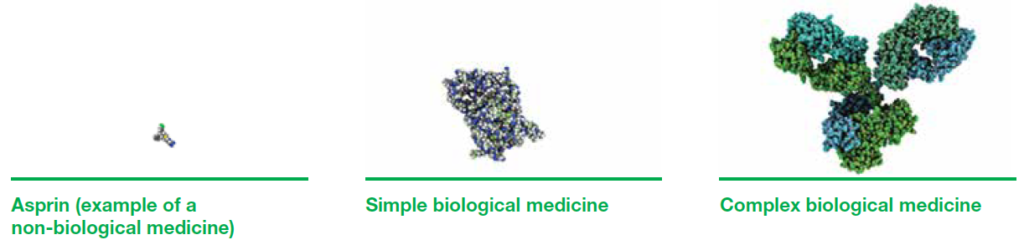
Biological medicines are large complex molecules that are made by living cells or organisms. They are usually made of large proteins that are naturally produced in the human body.
When a biological medicine is given to a patient, it functions like a protein that occurs naturally in the body, resolving symptoms and preventing or slowing the progression of the disease.
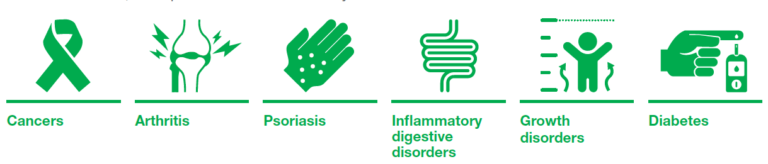
Biological medicines have helped to improve the lives of thousands of Australians living with conditions such as cancer, diabetes, severe psoriasis, rheumatoid arthritis, Crohn’s disease, ulcerative colitis, multiple sclerosis and kidney disease
A biosimilar medicine is a highly similar version of an original brand of a biological medicine, brought to market once the patent on the original brand expires.
The reason these medicines are known as biosimilar medicines, and not generic medicines, is because biological medicines are large molecules made from living cells, and so the processes that produce them are naturally variable. This means that no two batches are ever exactly the same – not even from the same manufacturer.
Biosimilar brands of biological medicines are used to treat the same diseases, in the same way and have been thoroughly evaluated by the Therapeutic Goods Administration (TGA) in Australia to show that they are just as safe and effective as the original brands of biological medicines.