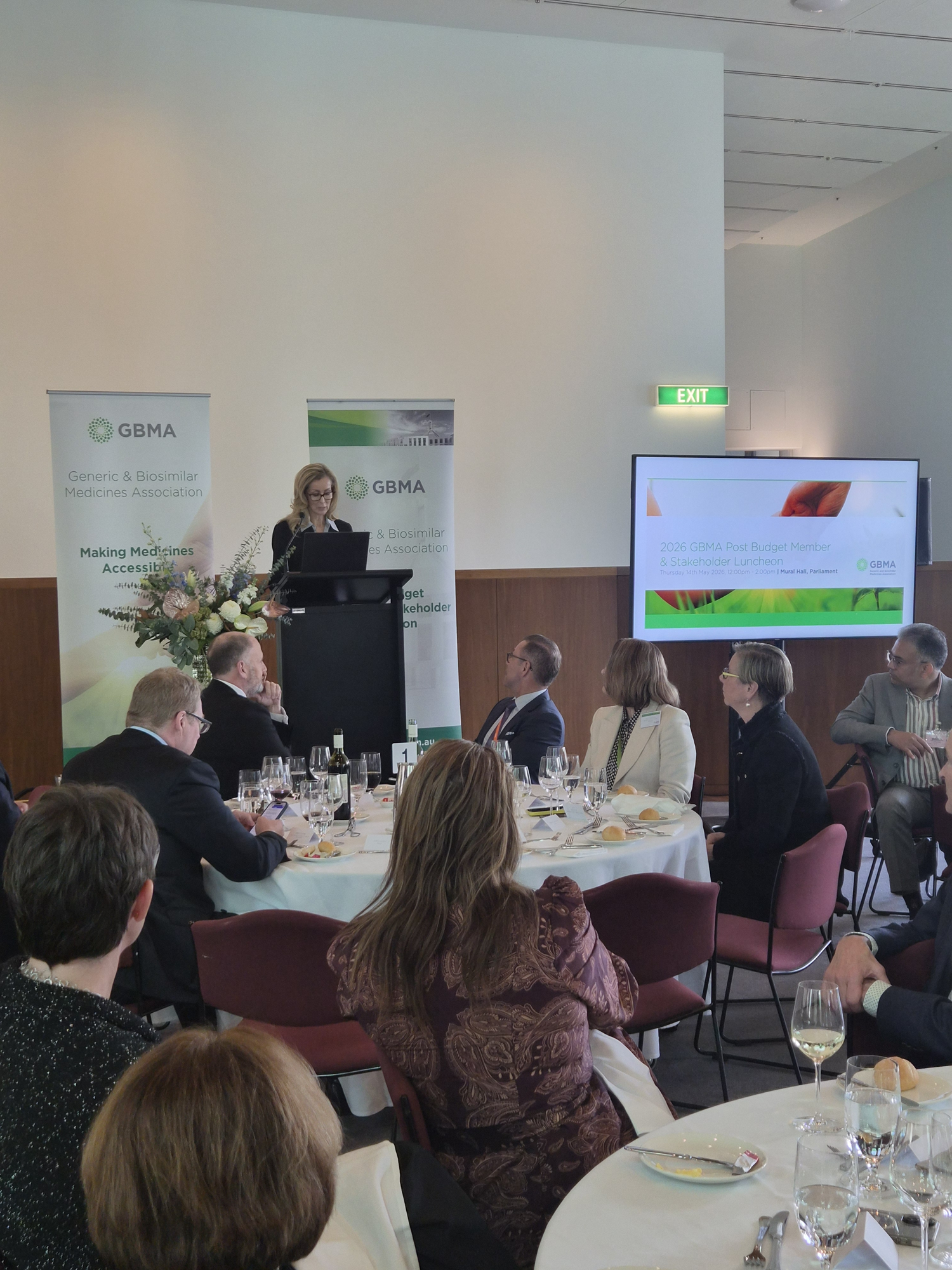
The Generic and Biosimilar Medicines Association (GBMA) today convened its 6th Annual Post-Budget Luncheon, bringing together key stakeholders from across government, industry and the healthcare sector to discuss the implications of the 2026–27 Federal Budget and the path forward for Australia’s medicines policy framework.
The event highlighted the Government’s commitment to advancing biosimilar policy reform as a significant step that has the potential to improve patient access and strengthen the long-term sustainability of the Pharmaceutical Benefits Scheme (PBS).
Building on years of sustained advocacy by the GBMA and its members, the Government announced that the Commonwealth will begin consultation on options to ensure Australians have fast access to life-saving medicines, including changes to prescribing practices to consider whether biosimilar medicines should become the default for new prescriptions.
Biosimilar medicines are highly similar versions of the original, or ‘reference’, brand of a biological medicine. They are subject to the same regulatory standards and are equally safe and effective at treating the same diseases as the original biological medicine.
The Hon. Mark Butler MP said “The generics and biosimilars sector is a critical ingredient to the sustainability, quality and affordability from a national perspective and for patients. We want to get the benefit, from an affordability perspective, as we have in the small molecule sector, for biosimilars. And we don’t do that here in Australia to the extent that other comparable countries do”.
Dr Anne Webster, Shadow Minister for Regional Health said, “I take from the analysis you have done, that if $1.5 billion over the next 5 years, can be invested by Government, then of course we would welcome that. We should always remember it’s about people when we’re talking about medications. Cost and access are critical.”
Independent Chair of the GBMA, Jane Halton, said the luncheon provided an important opportunity to reflect on progress while reinforcing the need for continued policy momentum.
“The Government’s commitment to biosimilar reform is a welcome and important step forward for patients and the sustainability of our healthcare system,” Professor Halton said.
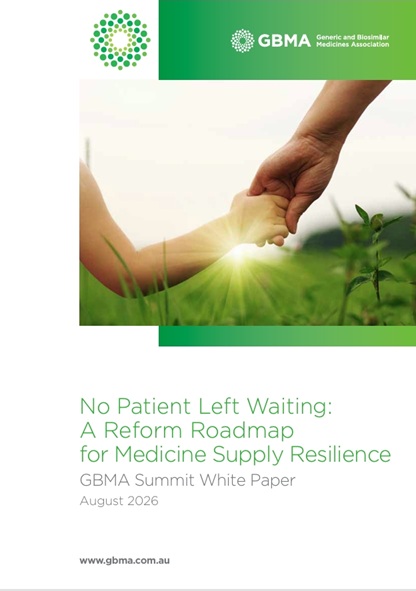
Professor Halton said discussions throughout the luncheon also reinforced the need to strengthen supply resilience amid ongoing global pressures on medicine supply chains.
GBMA CEO Nikki Lorenz, addressing her first post-budget luncheon in the role, said the alignment between the Federal Budget measures and the Summit’s findings underscores a clear direction for reform.
“The progress on biosimilars demonstrates what can be achieved through sustained collaboration and targeted policy reform,” Ms Lorenz said.
“Progress on biosimilar policy is a critical step forward. Targeted reform presents a clear opportunity to unlock further capacity within the PBS, supporting reinvestment in innovative treatments while ensuring more Australians can access the medicines they need.”
The GBMA looks forward to working with Government and the Department on practical policy settings to support this initiative to expand access and lower costs, ensuring patients directly benefit from the savings generated by lower-cost biosimilar medicines.
Generic and Biosimilar Medicines Association
Level 17, 1 Denison St, North Sydney, NSW 2060
admin@gbma.com.au
About GBMA
The Generic and Biosimilar Medicines Association (GBMA) is the peak representative body of generic and biosimilar medicine suppliers in Australia. Its members ensure that all Australians are offered the highest quality generic and biosimilar medicines in the world whilst providing affordable community health outcomes that benefit all Australians.
About Biosimilars2
Biosimilar medicines are highly similar versions of the original, or ‘reference’, brand of a biological medicine. They are subject to the same regulatory standards and are equally safe and effective at treating the same diseases as the original biological medicine.[2]
Biosimilar brands of medicine come onto the market after the patent for the equivalent reference brand of a biological medicine has expired. They provide more brand options for the same clinical results and introduce competition into the medicines market. They have been in use internationally for more than 15 years.
[1] Data on file
2 Australian Government. Department of Health and Aged Care. About Medicines. Available online: https://www.health.gov.au/topics/medicines/about-medicines.
3 Australian Government. Department of Health and Aged Care. Biosimilar Medicines Regulation. Available online: Biosimilar medicines regulation | Therapeutic Goods Administration (TGA)